
Arjun had become used to breathing through his mouth.
During workouts, he felt out of breath sooner than expected. At night, he often woke up with a dry mouth. Sleeping on one side seemed easier than the other, and seasonal allergies made everything worse.
He assumed this was simply how his nose worked.
When someone suggested consulting a specialist, Arjun hesitated.
“Isn’t nose surgery only for changing your appearance?” he asked.
It is a common assumption—but it is not always true.
Rhinoplasty may be performed to improve the appearance of the nose, correct structural concerns or address a combination of cosmetic and functional problems. For some patients, the goal is not simply to change how the nose looks. It is also to improve how comfortably they breathe.
Understanding the difference can help you approach nose surgery with clearer and more realistic expectations.
What Exactly Is Rhinoplasty?
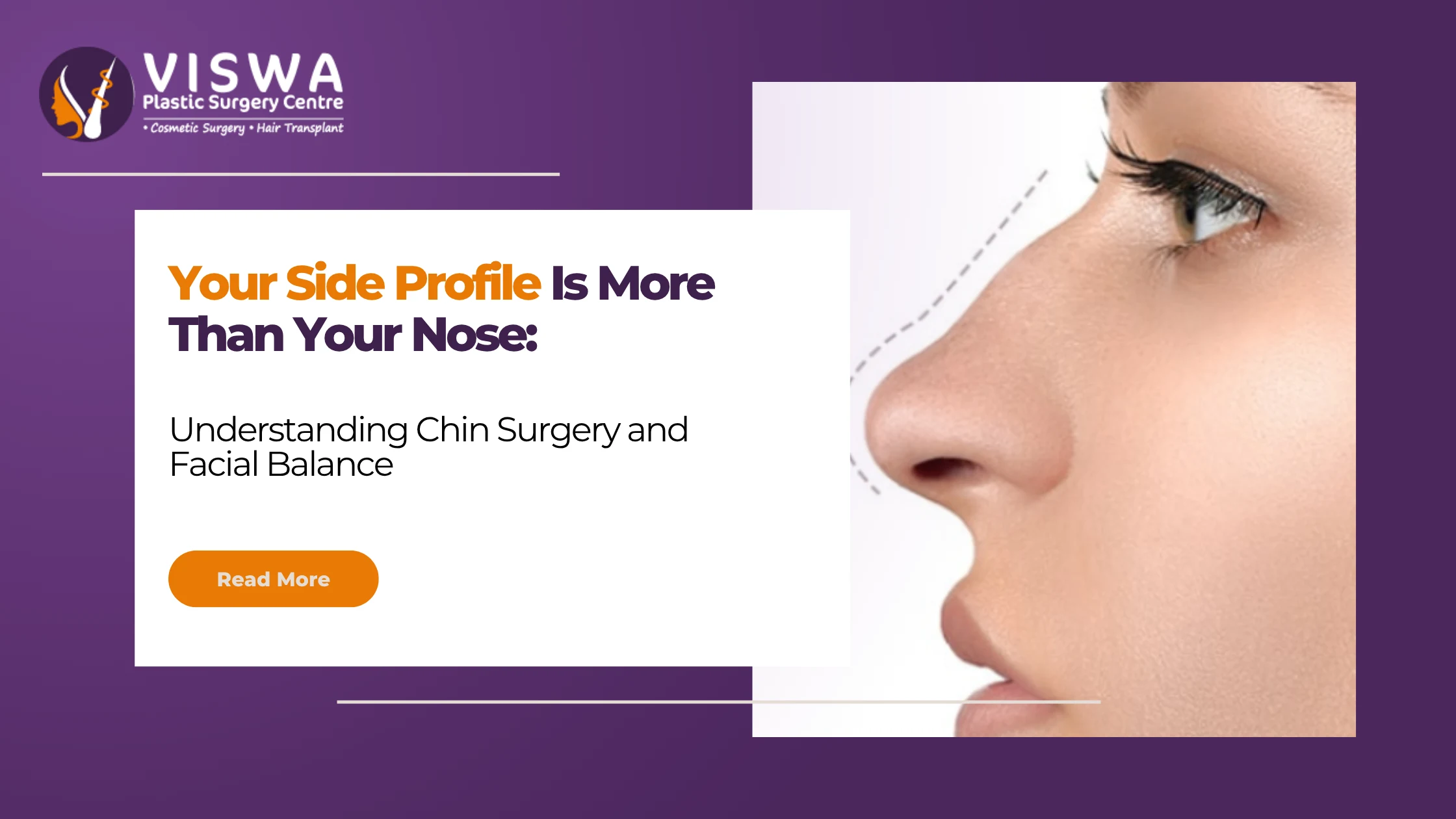
Rhinoplasty is a surgical procedure used to reshape or reconstruct the nose.
Depending on the patient’s needs, the procedure may address:
- The size or width of the nose
- A visible hump on the nasal bridge
- A drooping, wide or asymmetrical nasal tip
- Uneven nostrils
- Nasal deviation following an injury
- Structural problems affecting airflow
- A combination of functional and aesthetic concerns
Because the nose influences both facial appearance and breathing, rhinoplasty requires careful planning. A change made to one part of the nose can affect its overall balance and function.
The objective should therefore be a nose that looks natural, suits the patient’s facial proportions and functions properly.
Cosmetic Rhinoplasty and Functional Rhinoplasty
Although people frequently use the word “rhinoplasty” to describe any nose surgery, the reason for undergoing the procedure may differ.
| Type of procedure | Primary purpose |
| Cosmetic rhinoplasty | Changes the shape, size or proportions of the nose |
| Functional rhinoplasty | Corrects structural problems that may restrict breathing |
| Reconstructive rhinoplasty | Restores nasal form or function following injury, previous surgery or a congenital condition |
| Combined rhinoplasty | Addresses appearance and breathing concerns during the same surgical plan |
A patient may initially seek treatment for appearance but discover an internal structural concern during the examination. Another person may primarily want to breathe better while also correcting visible nasal deviation.
This is why the consultation must examine both appearance and function.
Why Can the Structure of the Nose Affect Breathing?
Air needs a sufficiently open passage to move through the nose comfortably.
Breathing may become difficult when part of that passage is narrow, uneven or obstructed. Possible structural reasons include:
- A deviated nasal septum
- Narrow internal nasal passages
- Weakness or collapse of the nasal valves
- Structural changes following an injury
- Previous nasal surgery
- Congenital differences in nasal anatomy
- Significant external deviation
Not every breathing problem requires surgery. Allergies, sinus inflammation, nasal polyps and other medical conditions may also affect airflow.
A proper evaluation is necessary to determine whether the concern is structural, medical or a combination of both.
What Is a Deviated Septum?
The nasal septum is the wall of bone and cartilage separating the two sides of the nose.
Ideally, it should allow air to move through both nasal passages. However, the septum may be shifted to one side because of natural development, birth-related factors or an injury.
A deviated septum does not always cause noticeable symptoms. When the deviation is significant, a person may experience:
- Difficulty breathing through one or both nostrils
- A feeling that one side is consistently blocked
- Mouth breathing
- Dry mouth upon waking
- Disturbed sleep
- Difficulty breathing during physical activity
- Recurrent nasal discomfort
- Increased awareness of congestion during allergies or colds
Septoplasty is the procedure typically used to correct the nasal septum. When septal correction is combined with reshaping the external nose, the procedure may be called septorhinoplasty.
Can Rhinoplasty Treat Every Breathing Problem?
No.
Rhinoplasty is not automatically the right treatment for every person who experiences nasal congestion or difficulty breathing.
For example, temporary blockage caused by a cold or allergy may respond to medical treatment. Other nasal and sinus conditions may require evaluation by an appropriate specialist before surgery is considered.
Surgery may be discussed when a structural concern is contributing to persistent breathing difficulty and conservative treatment alone is unlikely to correct it.
The first goal of consultation is therefore not to schedule surgery. It is to understand why the breathing problem is occurring.
When Might Someone Consider Rhinoplasty?
A person may consider an evaluation when:
- The nose appears noticeably crooked or asymmetrical
- Breathing through one or both nostrils is consistently difficult
- The nasal shape changed following an injury
- The size or shape of the nose affects facial balance
- There is concern about a hump, tip or nostril shape
- A previous nasal procedure produced functional or aesthetic concerns
- The individual understands the limitations of surgery
- The concern has been carefully considered rather than influenced by temporary trends
The final decision depends on the patient’s nasal anatomy, health, expectations and clinical examination.
What Happens During a Rhinoplasty Consultation?
A detailed consultation should involve more than choosing a preferred nose shape from a photograph.
The surgeon may evaluate:
- The external shape of the nose
- Nasal symmetry
- Skin thickness
- Cartilage and bone structure
- The nasal septum
- Airflow through each nostril
- Facial proportions
- Previous injuries or surgery
- The patient’s medical history
- The changes the patient hopes to achieve
Photographs may be taken for planning and documentation. The surgeon will also explain which changes are realistically possible and how they may affect the rest of the face.
The aim is not to copy another person’s nose. It is to create an outcome that appears balanced with the patient’s own facial features.
Will Rhinoplasty Completely Change Your Face?
The nose is a central facial feature, so even a measured change can influence overall appearance.
However, well-planned rhinoplasty usually aims for harmony rather than a dramatic or artificial transformation. The result should complement the forehead, cheeks, lips, chin and jawline.
In many cases, people may notice that the face looks more balanced without immediately identifying that the nose has been changed.
The appropriate level of correction varies for each individual.
What Is Recovery Like?
Recovery differs depending on the complexity of the procedure and the patient’s healing response.
Common early experiences may include:
- Swelling around the nose
- Bruising near the eyes
- Temporary nasal stuffiness
- Mild discomfort or pressure
- Use of a nasal splint
- Instructions to sleep with the head elevated
- Temporary restrictions on exercise and certain activities
Visible swelling generally improves gradually, but the nose can continue refining for several months. Subtle swelling—particularly around the nasal tip—may take longer to settle.
Patients should avoid judging the final result too early.
Common Myths About Rhinoplasty
Myth 1: Rhinoplasty Is Only a Cosmetic Procedure
False.
Rhinoplasty can address cosmetic concerns, structural breathing difficulties or both.
Myth 2: You Can Select Any Nose Shape You Want
Not exactly.
The result must be planned around your existing anatomy, skin, cartilage, facial proportions and functional requirements.
Myth 3: The Result Is Visible Immediately
No.
Swelling can temporarily hide the final contour. The appearance develops gradually as the tissues heal.
Myth 4: A Smaller Nose Is Always a Better Nose
Not necessarily.
The goal is facial balance—not simply making the nose as small as possible. Excessive reduction can create an unnatural appearance and may affect nasal support.
Myth 5: Rhinoplasty Always Leaves Visible Scars
The location and appearance of scars depend on the surgical technique. Incisions are generally planned carefully to keep scars as discreet as possible.
Questions to Ask Before Nose Surgery
Before deciding on rhinoplasty, consider asking:
- Is my concern cosmetic, functional or both?
- What is causing my breathing difficulty?
- What changes would suit my facial proportions?
- Will septal correction be required?
- What results are realistic for my anatomy?
- Which surgical technique is recommended?
- How long will swelling take to settle?
- What risks and limitations should I understand?
- When can I return to work and exercise?
Clear answers help patients make decisions based on understanding rather than expectations created by edited photographs or social media trends.
Conclusion
Rhinoplasty is not simply about creating a different-looking nose.
For the right patient, it may improve nasal proportions, restore balance after an injury, correct visible deviation or address structural problems affecting airflow.
But the most important step comes before surgery: identifying the actual concern.
If you are unhappy with the appearance of your nose, experience persistent difficulty breathing or have noticed changes following an injury, a detailed evaluation can help determine whether rhinoplasty, septal correction, medical treatment or another approach may be appropriate.
For individuals in Guntur, Amaravathi, Tenali, Mangalagiri, Sattenapalli, Chilakaluripet, Narasaraopet and nearby areas, consulting a qualified plastic surgeon can provide a clearer understanding of the available options based on individual nasal anatomy and treatment goals.
FAQs
Is rhinoplasty only performed to improve appearance?
No. It may be performed for cosmetic, functional or reconstructive reasons.
Can rhinoplasty improve breathing?
It may help when breathing difficulty is related to a correctable structural problem. A clinical evaluation is required to determine the cause.
What is the difference between rhinoplasty and septoplasty?
Rhinoplasty reshapes the external or structural components of the nose. Septoplasty primarily corrects a deviated nasal septum. Both procedures may sometimes be combined.
Is rhinoplasty painful?
Some discomfort, swelling and nasal stuffiness may occur during recovery. Pain is generally managed according to the surgeon’s instructions.
When can I see the final result?
Initial changes become visible as swelling decreases, but complete refinement may take several months.
Will rhinoplasty leave a scar?
Scarring depends on the surgical approach. Incisions are planned to make scars as inconspicuous as possible.
Can rhinoplasty make my nose look like a celebrity’s nose?
The procedure should be based on your own facial anatomy and proportions. Copying another person’s nose may not produce a natural or suitable result.
Can a previously injured nose be corrected?
In selected cases, surgery may improve changes in shape or function caused by an injury. Suitability depends on examination.